
“Open leaves too many questions”
In our team meeting today (notes here), we talked about some feedback that we’ve received from people within Greenpeace. Some of our friends have commented… Read More »“Open leaves too many questions”
In our team meeting today (notes here), we talked about some feedback that we’ve received from people within Greenpeace. Some of our friends have commented… Read More »“Open leaves too many questions”
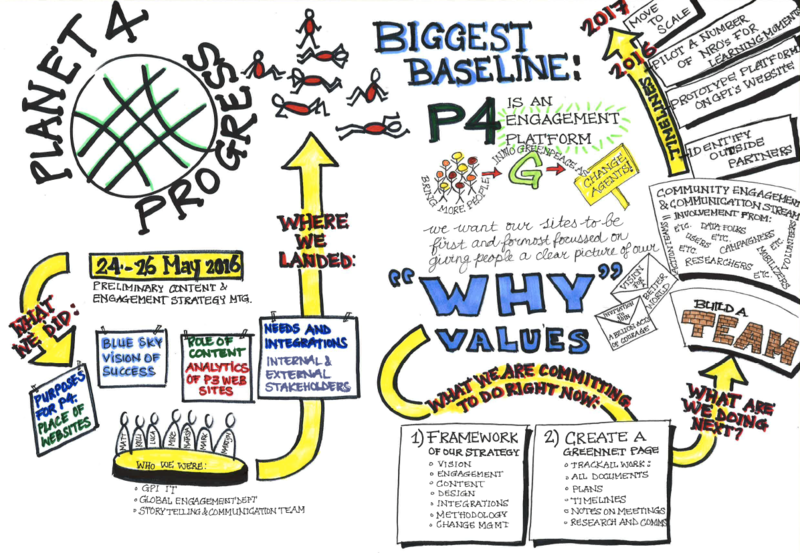
It’s time to tear down Greenpeace.org and rebuild it for the modern web. The content strategy, design, and voice of Greenpeace.org will be updated to… Read More »Announcing Planet 4
This week in our community call, we focused our conversation on the transition from being a secretive organization to being more open. We were joined… Read More »Secretive to Open Source in our Community Call
I think modeling the behavior I want to see in the world is a good way to spread the open ethos. But when other people… Read More »Freedom of Choice for the Greater Good?
I think visually, so I like to make maps and models and stuff to help me think through complicated ideas. Before the break I decided… Read More »A Billion Acts Proposal
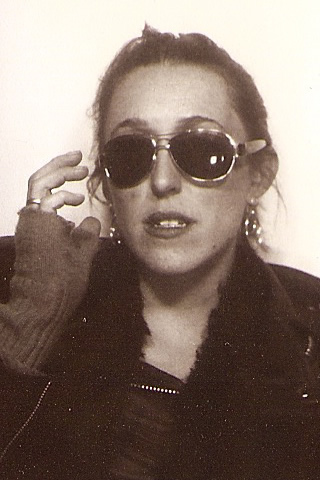
I wear my punk rock, bad ass, have jumped out of a plane and befriended homeless crack heads for an evening of drunken debauchery on… Read More »On Being Fearless
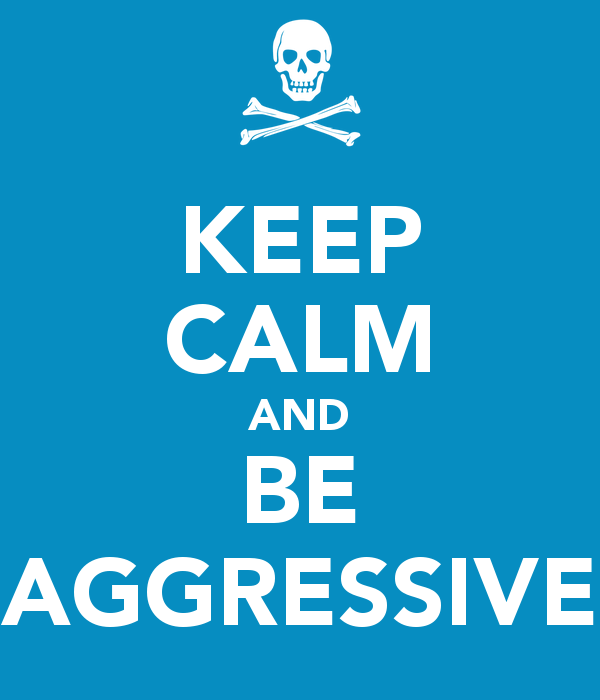
The last chapter of the Open Organization talks about how a leader in an open community has to be a catalyst: “An agent that provokes… Read More »The Calm Catalyst

One of the things I know about open source and open communities is that as much as we want to break down silos, we have… Read More »Reach outside the silo
Recently I drove to the Netherlands for a day to hang out with about half the people who work at Greenpeace International. The meet-up actually… Read More »“We’re not ready to be open yet.”
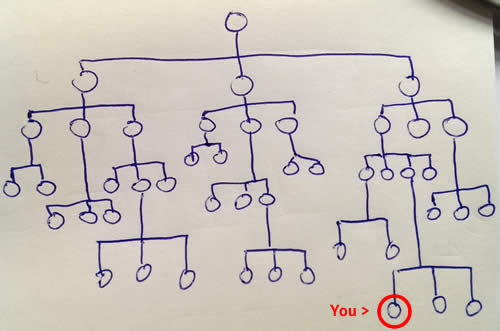
This past week I spent three days hanging out with the activists and thinkers who attended the Open Campaigns Camp. Participants included loads of folks… Read More »Open is an attitude